What Are the Different Types of Roofing Materials for Bethany Homes?
A plain look at what goes on a roof, how each material holds up under Oklahoma weather, and what it means for the safety of your home.
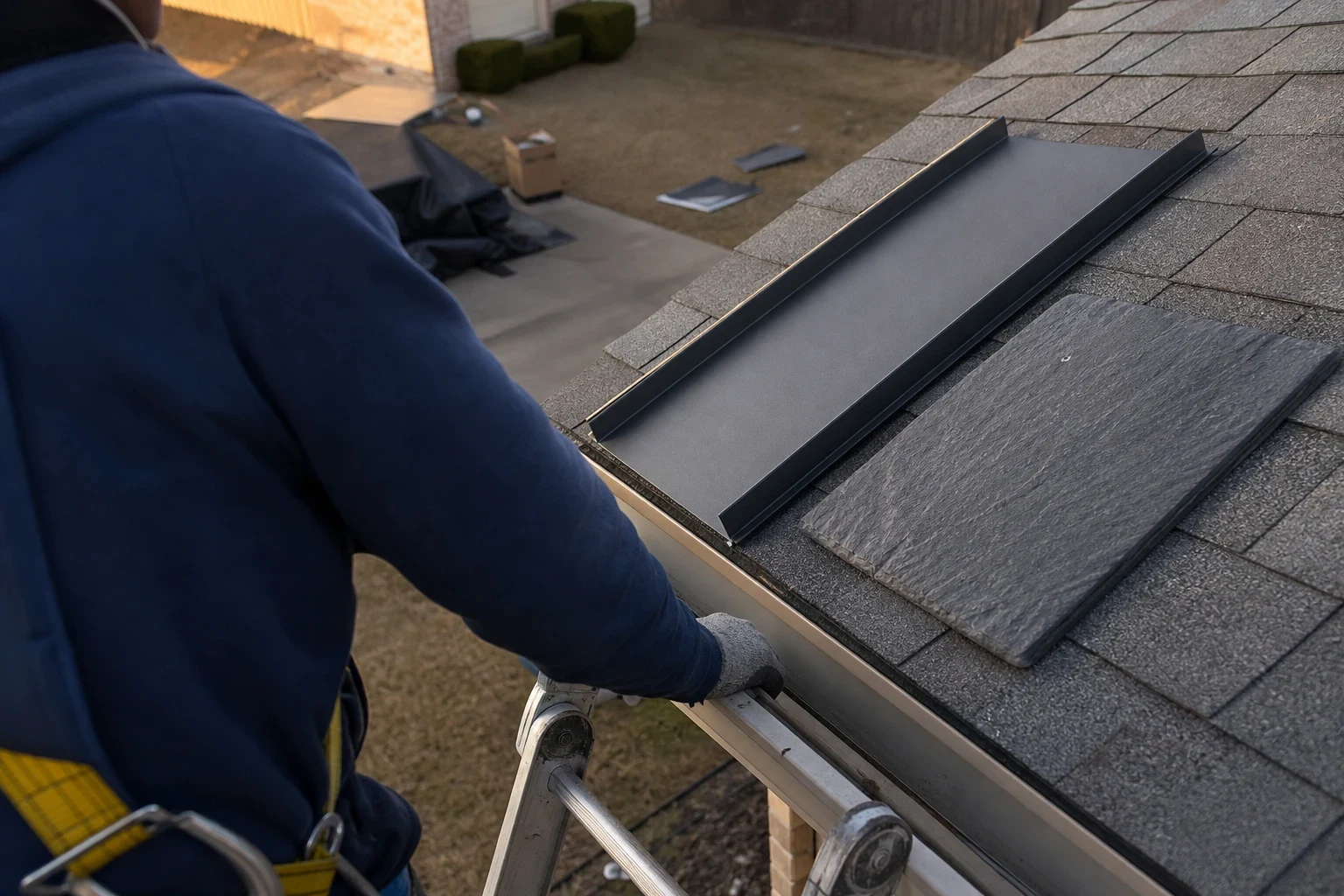
What are the different types of roofing materials?
The main roofing materials for homes are asphalt shingles, metal, clay or concrete tile, slate, synthetic composites and wood shakes, plus membranes like TPO and modified bitumen for low-slope sections. Most Bethany homes have asphalt shingles, and impact-resistant shingles and metal are the common upgrades because of hail and high wind.
Asphalt shingles: what most homes here already have
Asphalt shingles cover the large majority of homes in the Oklahoma City area. They are light enough for almost any roof frame, simple to repair one section at a time, and come in a wide range of colors. They carry a Class A fire rating when installed as the manufacturer specifies, which matters in a dry, windy summer.
There are three kinds worth knowing about. Three-tab shingles are flat and thin, and they are becoming hard to find. Architectural shingles, also called dimensional shingles, are thicker and layered, so they look better and hold up to wind better. Impact-resistant shingles are built with a tougher mat or rubberized asphalt and tested to the UL 2218 standard, where Class 4 is the top rating for hail.
Here, hail is the deciding factor for many families. A standard shingle hit by hail can lose its granules and crack the mat underneath, which leads to leaks later. Some insurers offer a discount for Class 4 shingles, so it is worth asking your agent before you choose.
- Three-tab: thin, flat, the least wind and hail resistance
- Architectural: thicker, layered look, the common choice for a roof replacement today
- Impact-resistant (Class 4): built to take hail better, often worth the step up in Oklahoma
Metal roofing: standing seam, panels and stone-coated steel
Metal roofs shed wind and water well and reflect a good share of summer heat, especially in lighter colors. Standing seam metal hides its fasteners under raised seams, so there are fewer holes for water to find. Exposed-fastener panels cost less up front but need the screws and rubber washers checked over time, because those washers dry out in the sun.
Stone-coated steel is a third option. It is steel pressed to look like shingles or tile, with a granule finish that quiets rain and hides small dings. Large hail can dent any metal roof, though a dent is often cosmetic rather than a leak.
One safety note we always share: metal is slippery, especially with dew or frost on it. It is not a roof you or a family member should climb onto to clear a gutter or retrieve a ball. Leave that to a crew with harnesses and roof anchors.
Tile, slate and synthetic: the heavy options and their lighter cousins
Clay tile, concrete tile and natural slate last a very long time and do not burn. The catch is weight. A tile or slate roof can weigh several times what a shingle roof does, so many homes built for shingles need an engineer to check the rafters before switching. Putting a heavy roof on framing that was not built for it is a real safety risk, and we will tell you plainly if your home is not a good candidate.
Tile and slate also crack under hail and under foot, so repairs take care and the right people. Synthetic or composite shingles are made to look like slate or shake at a fraction of the weight, and many carry strong impact ratings. For homeowners who like the look of slate but live with Oklahoma hail, synthetics are often the practical middle ground.
Natural wood shakes are rare here now. They need regular upkeep and, unless treated, they do not meet the fire rating many homeowners want.
What about flat porches, carports and low-slope additions?
Shingles need enough pitch to shed water. On a low-slope back porch, carport or addition, they leak. Those sections call for a membrane instead, and getting this right is one of the most common fixes we make during a replacement.
TPO is a white single-ply sheet that reflects heat and is heat-welded at the seams. EPDM is a black rubber membrane that handles temperature swings well. Modified bitumen is a rolled asphalt product that is torch-applied or self-adhered; we prefer self-adhered versions near your home's walls because they avoid open flame.
- TPO: reflective, welded seams, good for sunny exposures
- EPDM: flexible rubber, forgiving in cold snaps
- Modified bitumen: tough, layered, self-adhered options avoid torches
Which roofing material is safest for your home?
The safest roof is one that matches the weight your framing can carry, stands up to the hail and wind we actually get, and is installed with the right underlayment, flashing and ventilation. A premium material installed poorly will fail before a basic shingle installed well.
When we help a family choose, we look at a few things together. During a roof inspection we check the decking, the attic and the framing so the choice is based on what your home can handle, not just what looks good in a brochure.
- Hail resistance: look for a Class 4 impact rating
- Fire rating: Class A for the full roof assembly
- Wind rating: matched to the spring storms we see in central Oklahoma
- Weight: whether your rafters can carry it without reinforcement
More questions about roofing materials
Something not covered here? (405) 644-4260
Can new shingles go over my old ones?
Building codes generally allow a limited number of layers, but we usually recommend a full tear-off. It lets us see and replace soft or rotted decking, which you cannot check through old shingles.
Do I need a permit to change my roofing material?
Most cities in the Oklahoma City area require a permit for a reroof, and a change to a heavier material can bring extra review. Before work starts, confirm that a permit has been obtained for the job.
Does roof color make a difference in summer?
Yes. Lighter shingles and metal finishes reflect more sun, which can keep the attic cooler. Darker colors hide dirt and streaking better, so it is a trade-off worth talking through.
What if my roof already has hail damage?
Have it inspected before you choose a new material. If storm damage is involved, we can document what we find with photos and explain how the insurance process usually works.
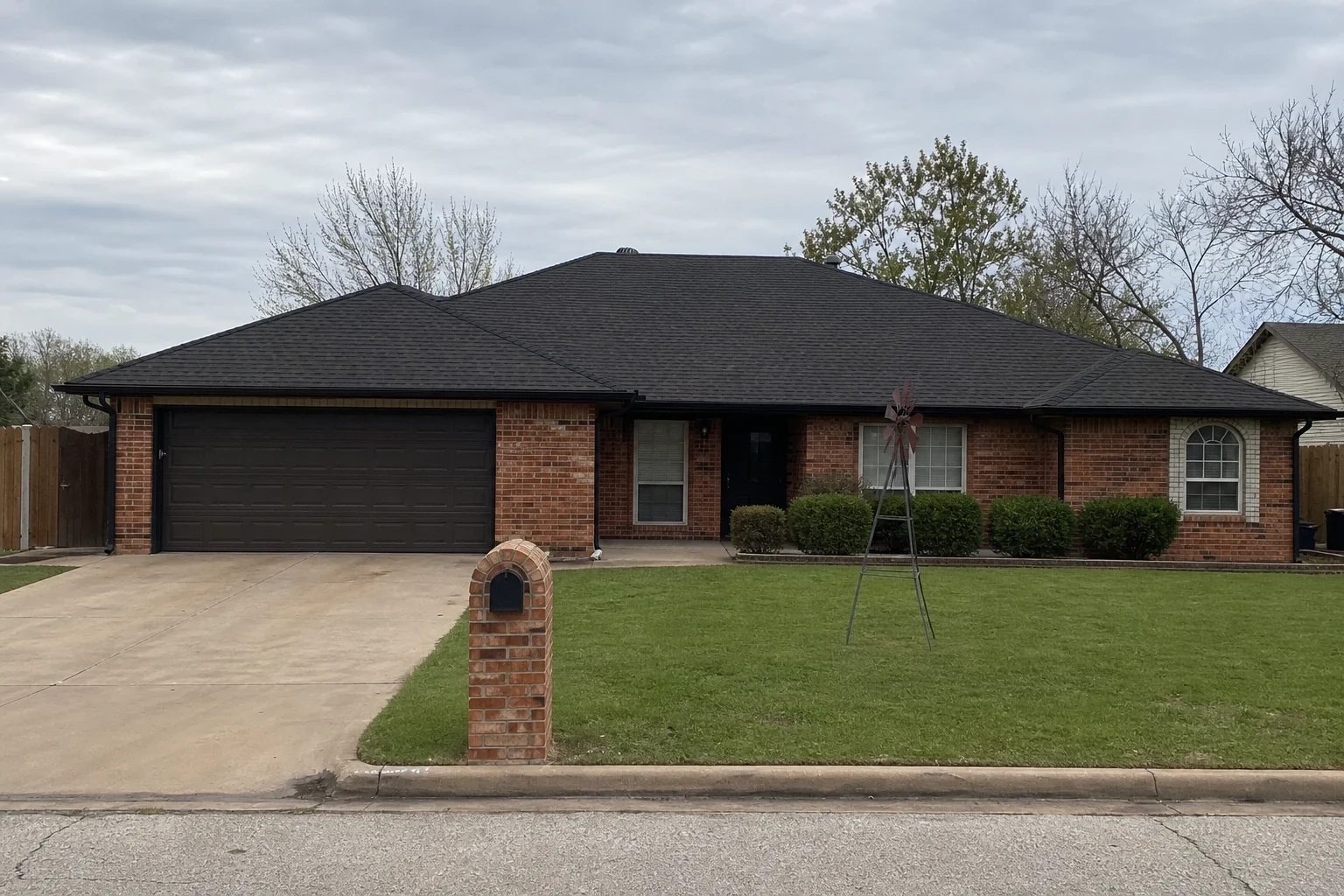
Not sure which material fits your roof?
Give us a call and we will talk through the materials that make sense for your home, what your framing can carry, and how each one handles our hail and wind. You can get your quote by phone and set up a visit.